This post was published on Feb 9, 2026 | Updated on Feb 12, 2026
What we've learnt form the past few years is how quickly money can be tight. From load- shedding, to rising food and fuel prices. This leads to dreaded anxiety, uncertainty and by the time the new year comes, a lot of us are just exhausted, all thank to the financial chaos and having to stay afloat all year.
Tired of guessing where the money went (but really: where did it go?). Tired of living month to month, even with a decent salary. Tired of feeling like adulthood came without an instruction manual (we’re still waiting for ours in the post!).
And it’s no wonder! According to recent statistics, almost 50% of South Africans can't afford basic necessities. The good news? Budgeting in 2026 is about planning better for any eventualities, even though money may be tight, prioritise the little joys because afterall, life is worth living. Things like ordering a cup of cappucino, treating yourself once in a while can go a long way and do wonders for your mental health.
We get that.

Planning in 2026 is about developing greater clarity around your whole financial picture. Control over where the money’s going. And looking out for what you’re building, whether that’s a home, a family, a business, or simply peace of mind. A smart budget today is an act of self-respect; it’s a means of forward thinking, and a way to give our futures a fighting chance.
After all, that’s what we deserve!
Nkazimulo Sibiya, Solutions Analyst, shares:
“In 2026, being financially savvy is less about restriction and more about clarity, resilience and smart planning. As a Solutions Analyst in the insurance space, I see daily how small financial blind spots can turn into major stress when life throws the unexpected. Budgeting today means understanding your true monthly baseline, planning for irregular cost and using digital tools to track spending in real time. It’s about building buffers not just savings, so one incident doesn’t derail your entire financial plan. South Africans are moving away from status spending and towards stability, security and peace of mind. Insurance plays a critical role in this shift by protecting income, assets and long-term goals. A smart budget and the right cover work hand in hand to safeguard cash flow. In 2026, future-proofing your finances is the new flex. Financial confidence comes from preparation, not perfection and ultimately, budgeting is an act of self-respect that allows people to live well today while protecting tomorrow.”
Why budgeting looks different in 2026
Forget the old-school idea of budgeting as a rigid spreadsheet that makes you feel guilty every time you spend a cent! Budgeting in 2026 has got a makeover. It’s more flexible, it’s more human, and above all, it’s far more realistic about how people actually live.
Work looks different now. Some of us are hybrid, some fully remote, some juggling side-hustles or freelance income. Expenses aren’t neat or predictable anymore, and neither are our salaries. At the same time, digital tools have made it easier than ever to see where your money goes, track patterns, and adjust quickly.
Most importantly, for many of us, priorities are now a little different. After years of economic pressure, South Africans are dropping the Keeping-Up-With-The-Jones’ vibes, and opting for what’s real. And what’s real is this: building financial stability, rather than showing off a brand new status symbol. Developing security over splashing out.
Ultimately, future-proofing is the new flex.
Budgeting has become less about restricting yourself (cutting up credit cards, doing away with holidays) and more about being prepared for what may come. It’s a bigger picture: one where holistic, comprehensive visibility of your finances trumps the ability to sommer just pay the bills.
We’re talking coverage, essentially, for your life. And being ready, should it throw a spanner in the works.
Smart budgeting principles for 2026
You don’t need a BCom to budget. Your financial planning can be simple, and without gimmicks, as long as it incorporates every aspect of your day-to-day life into its calculations. Without further ado, here are the iWYZE five #WYZE budgeting tips that matter in 2026.
1. Know your real monthly baseline
Your baseline is what it actually costs to live your life, not the optimistic version you might have in your mind. Think: rent or bond, groceries, transport and petrol, data and airtime, school fees, subscriptions, insurance, the works! Many people tend to underestimate this, and then wonder why their budget never balances.
Sit down and calculate your non-negotiables properly (yes, even if it makes you wince!). Once you know your true baseline, every financial decision becomes clearer, and rather than playing Snakes-and-Ladders with an ever-changing spreadsheet, you can start making real decisions that reflect your lived reality. Banks have apps with additional budgeting features that are easy-to-navigate and user-friendly, and mean you don’t need a third-party app to juggle it all.
You could also download apps, which connects to all major SA bank apps and offers excellent insights into your finances, or use websites, which offers a handy budget calculator to keep your balance sheet looking pretty!
It’s also a good idea to put some of the basics into practice. Make a habit of reviewing your monthly statements for recurring debit orders and subscriptions, turn on all notifications for transactions (so you know what’s been deducted and when) and categorise expenses manually (or use app features) to spot patterns and cut back on unnecessary spending.
You may find that a combination of these tips, paired with the right apps, works for you. Either way, financial health depends on finding the tools that make budgeting a breeze.
Our bonus tip? Know your interest rates! If you have a bond, credit card or are paying off an asset like a vehicle, you’ll want to know the current interest rate, and how any changes to it can affect your monthly baseline.
2. Plan for irregular expenses (because they’re not surprises)
Servicing your car, visits to your GP, new school uniforms, birthday prezzies, Dezemba holidays, home maintenance… These things are predictable, even if they don’t happen every month. If in Januworry you know that they’re coming, then they count.
Smart budgeting in 2026 means smoothing these costs across the year instead of letting them derail you when they pop up. Anniversaries, birthdays, dental check-ups and new tyres: make a small, monthly allocation, even if it’s challenging. Trust us: this beats having a financial heart attack every few months.
3. Build buffers, not just savings
Savings are important, and buffers are essential. So what are they? A buffer is money that puts a wall around your cash flow when something goes wrong. Think excess payments from insurance, unexpected household repairs, or a temporary drop in income.
This is the place where many budgets fail. Yes, they look fine on paper, but one curveball and everything collapses! Buffers give you a little cushion, and help you plan confidently (and accurately). Financial experts always recommend that your emergency savings are equivalent to 3-6 months of living expenses (as advised by financial experts), there are immediate, practical steps you can take now, even if you’re cash-strapped!
For a start, use what’s already at your disposal. Your banking app, for instance, will let you set up automated transfers. This way, you can schedule your savings transfer or deposit, whether that’s an amount of R500 or R5,000, to be made right after payday, which makes sure you contribute to your nest egg before inadvertently spending it.
Another idea is to choose separate savings accounts that are not immediately accessible for your more everyday expenses. Pair this up with setting an advance reminder on your calendar, for instance, to tell you when it’s time to make the withdrawal, keeping it within the window of an ear-marked occasion (a birthday gift), or for a particular milestone (money for new uniforms and stationery before school starts, for example).
4. Cover your income and assets (even the extras)
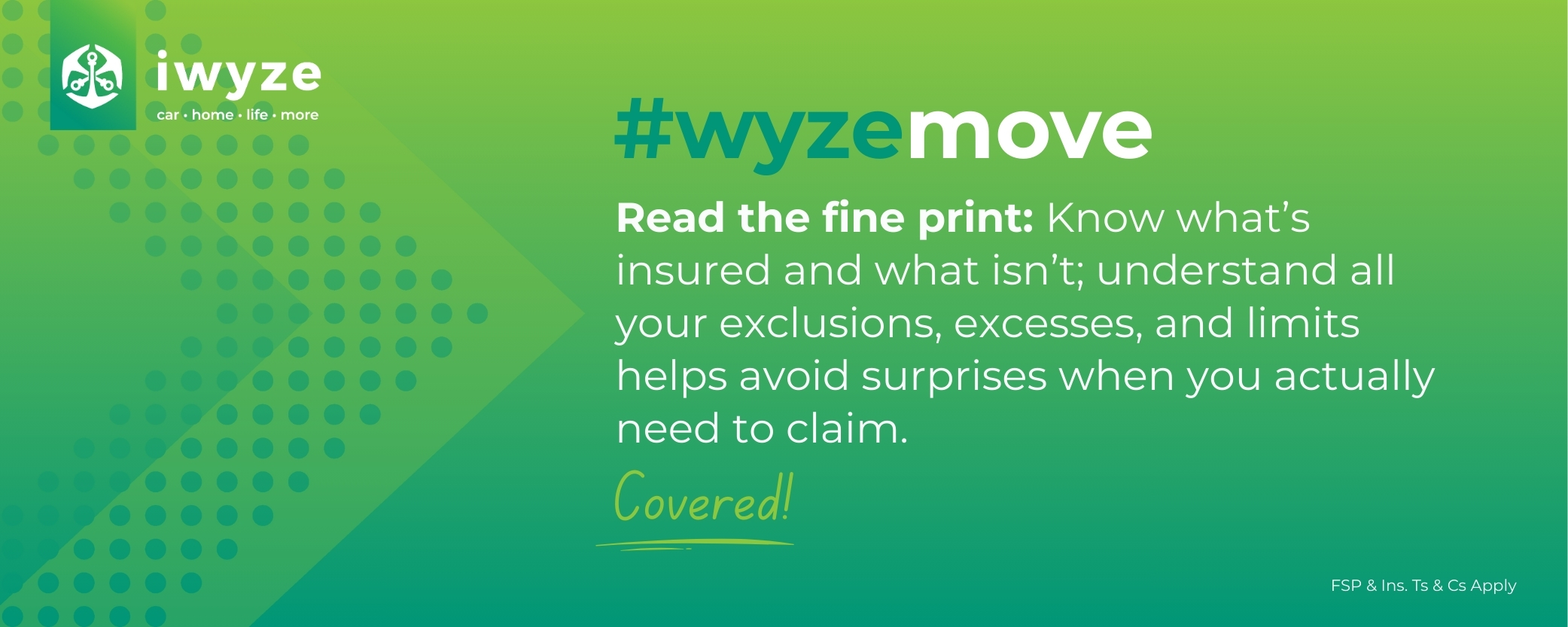
There’s no point budgeting carefully if one incident can wipe out years of money progress. Covering what you earn, and what you own, is a core part of modern financial planning in Mzansi.
This is especially true after the bonanzas that are Black Friday and December bonus deals. Remember that whatever you buy needs to be insured, especially if it’s a new appliance like a gadget, an increased lifestyle commitment (like an upgraded cell phone subscription) or brand new asset (like a car). Ultimately, budgeting for insurance is not just for the essentials; it’s for the nice things, too, which can also break, get stolen, or need replacing.
After all, having funeral cover, a life policy, coverage for your tyres and rims or even third-party means that should something unfortunate happen, it’s not going to eat up all your savings!
So, short-term insurance, car cover (even if you’re a first-time driver!), home and building insurance, funeral and life cover, all play a vital role in keeping your budget intact when life happens! And yoh! Does it happen.
Affordable, comprehensive cover, and selecting the right products for you and your family, means fewer financial shocks, and way more certainty month to month.
Smart budgeting doesn’t stop at tracking expenses — it includes preparing for life’s hardest moments. Katleho Pule, Head of Sales - iWYZE Life, unpacks why life and funeral insurance deserve a top spot in your financial plan.
“Smarter money moves aren’t about chasing trends — they’re about protecting your future when life doesn’t go according to plan. Life and funeral insurance are often pushed to the bottom of the financial to do list, but in reality, they belong right at the top. These are not products you buy for yourself; they are promises you make to the people who love you most, A promise that grief won’t be compounded by debt, delays, or desperate fundraising, most importantly protecting YOUR DIGNITY Many families only realize the cost of not planning when it’s too late. Funeral expenses rise, income stops overnight, and suddenly loved ones are forced into financial decisions made under stress and heartache. Smart money moves prevent this Being financially smart doesn’t mean being wealthy — it means being prepared. It means understanding that even modest cover can change everything when it matters most. It means choosing dignity over debt, stability over stress, and peace of mind over panic. If you’re serious about building a secure future, start with the basics that never go out of date: protection, planning, and responsibility. Because when life happens — and it always does — the smartest money move is knowing your family will be taken care of, no matter what tomorrow brings. ”
5. Spend with your mind, not your heart
We all do emotional spending. A tough week, a bad day, a “just because”: but it doesn’t help when the ‘feelings’ receipts start adding up! Not to worry, though. We’re not telling you to let go of all the things; we’re simply saying: be aware of the role that your emotional life may play in your finances.
What we like to call ‘intentional spending’ simply means choosing what actually adds value to your life, and letting go of what doesn’t. Yes, you can enjoy your money. But doing so (whether that’s a spontaneous Thailand trip with the boys, or more Botox for the girlies) shouldn’t sabotage your future. It’s not a zero-sum game.
Planning well means planning for the unexpected
If budgeting is the plan, you can think of insurance as being the safety net underneath it. And no, this isn’t because you’re a pessimist: it’s because you’re being a whole grown-up who knows that life happens.
In short? It’s being realistic.
When your car is insured properly, breaking down on the N1, or blowing a head gasket, doesn’t mean forfeiting an April holiday at the coast. When your home and belongings are covered, one bad electrical storm doesn’t undo years of hard work. When your spouse, folks, or Oupa has funeral or life cover, they’re shielded from the sudden financial strain that can occur during already-difficult moments.
Good insurance, like that from iWYZE, safeguards your budget. It keeps your long-term plans intact when short-term problems arise.
We get this, and that’s why we’re making sure that your insurance coverage is affordable, yet comprehensive. You won’t sign up for iWYZE only to overpay for cover you don’t understand. No, instead, you’ll gain flexible options that make sense for real South African lives. When your cover is right-sized, and well-priced, it becomes a way to save money in the long run, not just put aside your clothing budget for what feels like an unnecessary expense. And when it comes to insuring things like your clothing, via household insurance, remember: in recent years, South Africans have spent an annual amount of plus-minus R153 billion on clothing. Yes, billion. So you’ll want to insure that hoodie.
Play a game with us
Close your eyes. Envisage your insurance payment. No, it’s not a grudge purchase. In fact, from scraping by in Januworry to living the high-life come Dezemba, opting for the #WYZE insurance products is one of the smartest financial decisions you can make without even realising it most months.
Where to start? Six simple steps you can take THIS month
1. Start now. Start small. Focus on making incremental positive changes that eventually build momentum.
2. Track one full month of spending. Drop the judgement, do it to be aware. Seeing the numbers in the flesh may be the biggest wake-up call.
3. List your irregular expenses for 2026. Write them all down (yes, even your mother-in-law’s birthday gift!) and divide by 12. Now that’s your new monthly reality.
4. Check your insurance cover. It may not be sexy, but making sure you’re not underinsured or paying for cover you don’t need can help you free up cash immediately.
5. Create one buffer account. Even a small monthly contribution can make a big difference should things ever go sideways.
6. Choose one spending habit to change. Rome wasn’t built in a day! So pick a tiny one, not everything. After all, small wins compound.
Now step into 2026 with a smile!
Taking control of your money isn’t about having it all sorted and together in 5 minutes flat. It’s about being prepared and having the guardrails up. Budgeting in 2026 is about building a life that can handle the ups and downs without causing you near-constant stress.
We promise you: when your budget makes sense, your insurance is covered, and your spending is #WYZE, something changes. You worry a whole lot less; you swap frown lines for planning, making financial decisions from a place of peace, and not sheer panic.
Small, smart choices, using apps and tech that makes sense to you, adds up. And that’s how you move into a brand new year feeling like you’ve got a grip on things. Be proud: you’ve come far! Remember: it’s not about flashy wheels, or designer threads. It’s about feeling solid. Grown up. And honestly? That's the goal.