This post was published on Feb 22, 2017 | Updated on Jul 8, 2026
When it comes to car insurance in South Africa, one of the most common questions motorists ask is:
What is the difference between comprehensive insurance and third-party insurance?
While both types of policies are designed to provide cover against financial loss in certain circumstances, they cover different risks and may respond differently in the event of a claim. Understanding how these insurance options work can help vehicle owners better understand what is covered, what is not covered, and how different types of claims may be assessed.
Understanding Car Insurance Cover Types
Car insurance policies are generally structured around the risks they are designed to cover. The most common types of vehicle insurance in South Africa include:
Each option provides a different level of cover, with comprehensive insurance typically offering the broadest range of cover.
What is Third Party Insurance?
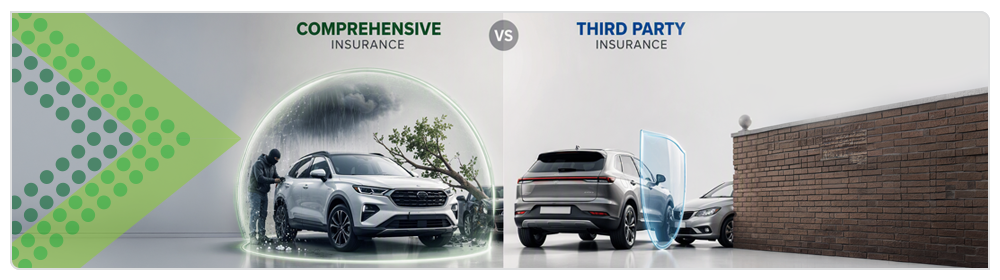
Third party insurance is designed to cover damage caused to another person's vehicle or property when the insured driver is liable for the loss.
This type of cover may include:
- Damage to another person's vehicle
- Damage to buildings or structures
- Damage to walls, gates and other property
- Damage to public infrastructure
- Personal liability against death and injuries
Third party insurance does not cover damage to the insured vehicle.
Who Is the Third Party?
In an insurance claim, the third party is the person or organisation that suffers a loss because of the actions of the insured driver.
In motor vehicle claims, the third party may include:
- The driver of another vehicle
- The owner of another vehicle
- A business owner
- A property owner
For example, if a driver accidentally collides with another vehicle, damages a shopfront, crashes into a boundary wall or causes damage to a security gate, the owner of the damaged property may be regarded as the third party.
Third party insurance is designed to address these types of liability claims, subject to policy terms and conditions.
What is Comprehensive Car Insurance?
Comprehensive car insurance typically provides cover for a broader range of insured events.
Depending on the policy selected, comprehensive cover may include:
- Damage to the insured vehicle
- Theft (attempted theft) and hijacking (attempted hijacking)
- Fire damage
- Explosion
- Weather-related damage (Lightning, Storm, flood, wind, hail, or snow)
- Accidental as well as intentional or malicious damage
- Third-party liability
- 24-hour roadside assistance
Cover remains subject to the terms, conditions and limits of the policy. For a detailed breakdown of comprehensive cover, see: What does Comprehensive Car Insurance Cover Blog
Comprehensive vs Third Party Insurance at a Glance
<figure class="table">| Feature | Comprehensive Insurance | Third Party Insurance |
| Damage to your vehicle | ✓ | ✕ |
| Theft and hijacking | ✓ | ✕ |
| Fire damage | ✓ | ✕ |
| Hail and storm damage | ✓ | ✕ |
| Damage to another vehicle | ✓ | ✓ |
| Damage to third-party property | ✓ | ✓ |
This comparison illustrates how the two cover types differ in terms of the perils they are designed to cover.
How Different Cover Types May Respond
The following examples illustrate how comprehensive and third-party insurance may respond in different scenarios.
<figure class="table">
| Scenario | Comprehensive Insurance | Third Party Insurance |
| Accident damage to your vehicle | May be covered | Not covered |
| Damage to another vehicle | May be covered | May be covered |
| Vehicle stolen | May be covered | Not covered |
| Vehicle hijacked | May be covered | Not covered |
| Vehicle damaged by fire | May be covered | Not covered |
| Damage to a wall, gate or building | May be covered | May be covered |
Cover is subject to policy terms and conditions.
Why Third Party Cover Matters
One of the key reasons motorists consider third-party cover is the potential cost of damaging another person's vehicle or property.
For example, a collision involving a luxury or high-value vehicle may result in repair costs that run into hundreds of thousands of rand. Similarly, damage to buildings, walls, security infrastructure or commercial property can result in substantial financial losses.
Third Party Cover is designed to help protect against these types of claims, subject to policy limits and terms and conditions.
This type of cover is commonly associated with older or lower-value vehicles, where the cost of comprehensive insurance may not align with the vehicle's current value. While Third Party Cover generally does not provide cover for damage to the insured vehicle, it may provide protection against claims arising from damage caused to another person's vehicle or property where the insured driver is legally liable.
For motorists with lower-value vehicles, this allows them to retain protection against third party claims, even though their own vehicle is not covered for accidental damage under a Third Party Insurance policy.
Theft, Hijacking and Fire Damage
Vehicle theft and hijacking remain important considerations for many South African motorists.
One of the biggest differences between comprehensive and third-party insurance is that comprehensive insurance may provide cover if a vehicle is:
- Stolen
- Hijacked
- Damaged during an attempted theft or hijacking
- Damaged or destroyed by fire
Third party insurance does not include cover for these events. Motorists looking for a middle-ground option may also wish to understand Third Party, Fire & Theft insurance. For more information, see: Third party fire and theft insurance article
What Happens When Both Drivers Share Responsibility?
Not all accidents are entirely the fault of one driver.
In some circumstances, liability may be shared between the parties involved. Where applicable, insurers may assess claims using the principles of apportionment of damages and determine liability based on the facts and circumstances of the incident. Claims are assessed according to the circumstances of the loss and the applicable policy wording.
How Vehicle Value Affects Insurance Claims
Vehicle value can play an important role in both insurance premiums and claim payouts.
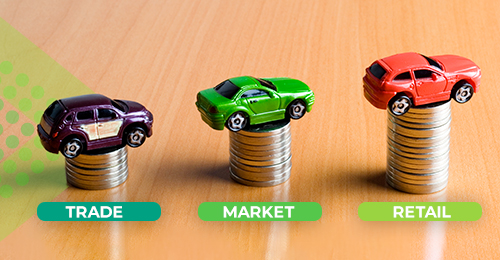
Depending on the policy, a vehicle may be insured based on:
• Retail value
• Market value
• Specified value
These valuation methods may influence:
• The insured amount
• Insurance premiums
• Potential claim payouts
To learn more about how vehicle values are calculated, see: Retail value vs market value article
Comprehensive Insurance and Financed Vehicles
Vehicle finance and insurance are separate products, but they may intersect in certain circumstances.
For example, if a financed vehicle is written off or stolen, the insurance payout may differ from the outstanding balance on the finance agreement. This difference is commonly referred to as a shortfall.
Understanding how vehicle value, balloon payments and finance structures interact can provide additional context when considering insurance cover. To learn more, see: Balloon payments blog
Why Understanding Insurance Cover Matters in South Africa
South African motorists face a range of risks, including accidents, theft, hijacking, severe weather events and damage to third-party property.
Understanding the differences between comprehensive and third-party insurance can help provide clarity on how various cover options are structured and how they may respond in different situations.
Get a Car insurance quote online
Car Insurance Options with iWYZE
At iWYZE, vehicle insurance options may include cover based on:
- Retail value
- Market value
- Specified value (subject to terms and conditions)
These valuation methods determine how a vehicle is assessed in the event of a valid claim.
To explore available options or obtain a quote, visit: 👉 https://www.iwyze.co.za/quote
Final Thoughts
Comprehensive and third-party insurance provide different levels of cover and are designed to address different types of risk.
While third-party insurance focuses primarily on liability for damage caused to other people and their property, comprehensive insurance may also provide cover for damage to the insured vehicle, theft, hijacking, fire damage and certain weather-related events. Understanding these differences can provide greater clarity on how vehicle insurance is structured and how claims may be assessed.