This post was published on Jan 10, 2020 | Updated on Jun 30, 2026
Managing multiple insurance policies can often feel complex from tracking different premiums to dealing with separate providers. One approach that has become increasingly popular is bundling insurance policies under a single provider.
In South Africa, bundling typically refers to combining products such as car insurance, home insurance and home contents insurance into one structured solution.
This article explains how bundling works, what it includes, and how it relates to savings, risk and convenience.
What Does “Bundle and Save” Mean?
Bundling insurance means placing multiple policies such as car, home and home contents insurance under one insurer.
Instead of managing separate policies, everything is grouped together, allowing for:
- A single provider
- Simplified administration
- Consolidated cover
This approach is often referred to as having “everything under one umbrella.”
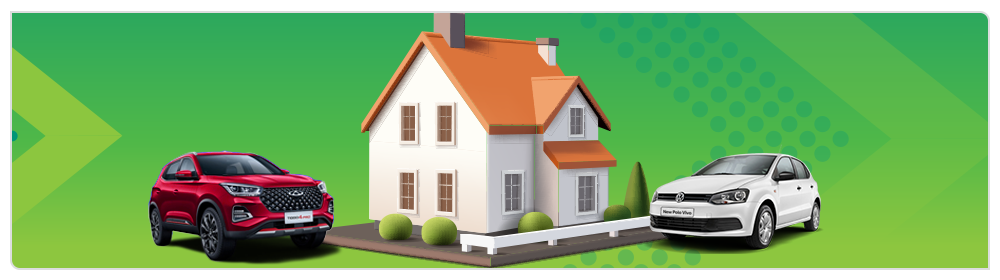
Everything Under One Umbrella
Having multiple products with one insurer means your cover is centralised. With bundled insurance:
- Policies are managed in one place
- Claims processes may be streamlined
- Policy information is easier to track
This centralisation is designed to simplify how insurance is structured and managed.
Diversified Risk and Reinsurance
A common question around bundling is whether placing multiple types of cover with one insurer increases risk. In practice, insurers manage risk through diversification and reinsurance.
What this means:
- Insurance providers spread risk across many policyholders and asset types
- Reinsurance allows insurers to transfer portions of risk to larger global insurers
This structure means:
- Risk is not concentrated in a single policy or customer
- Large or unexpected claims events are managed at scale
As a result, bundling multiple policies with one insurer does not typically increase risk exposure in the way it might seem at first glance.
Discounts and Cost Considerations
One of the key reasons bundling is widely used is the potential for cost savings. Insurers may offer:
- Multi-policy discounts
- Reduced administrative costs
- Pricing efficiencies across combined products
These figures vary depending on:
- The value of insured assets
- Risk profile
- Cover selected
Typical Bundles in South Africa
Bundled insurance structures commonly include:
- Car + Home Insurance Combines:
• Vehicle cover
• Building/property cover
This is one of the most common bundles for homeowners.
- Car + Home Contents Insurance
Combines:
• Vehicle cover
• Contents inside the home (furniture, electronics, valuables)
This type of bundle focuses on both mobility and personal belongings.
Full Bundle (Car + Home + Contents)
A more comprehensive structure that includes:
• Vehicle insurance
• Building insurance
• Contents insurance
This allows multiple aspects of personal risk to be managed together.
Look at how you could save like our customers:
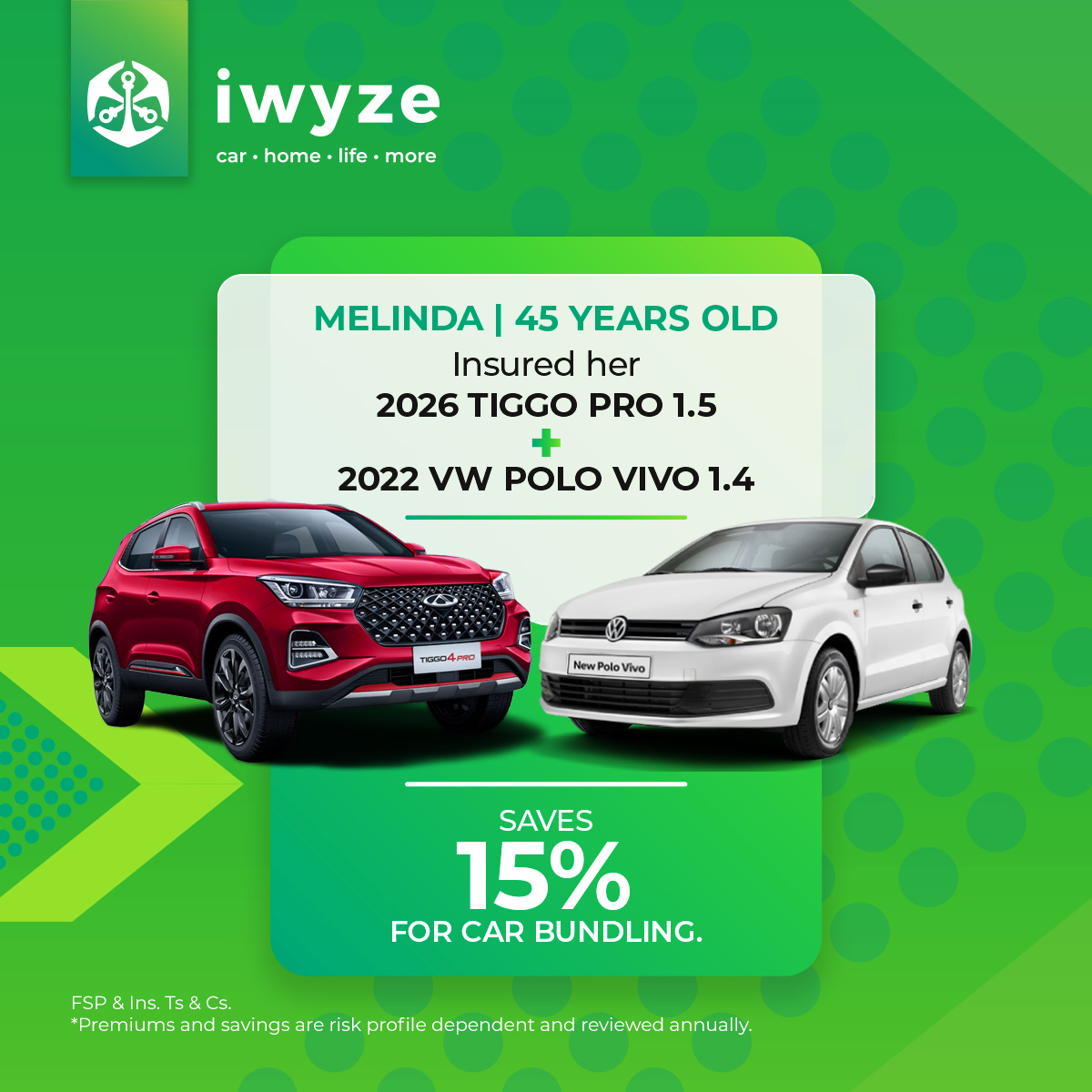
- 2 Cars bundle:
Average premium: R1806
Average saving: 15% - Car and Building bundle:
Average premium: R1297
Average saving: 5% - Car and Home Contents bundle:
Average premium: R1211
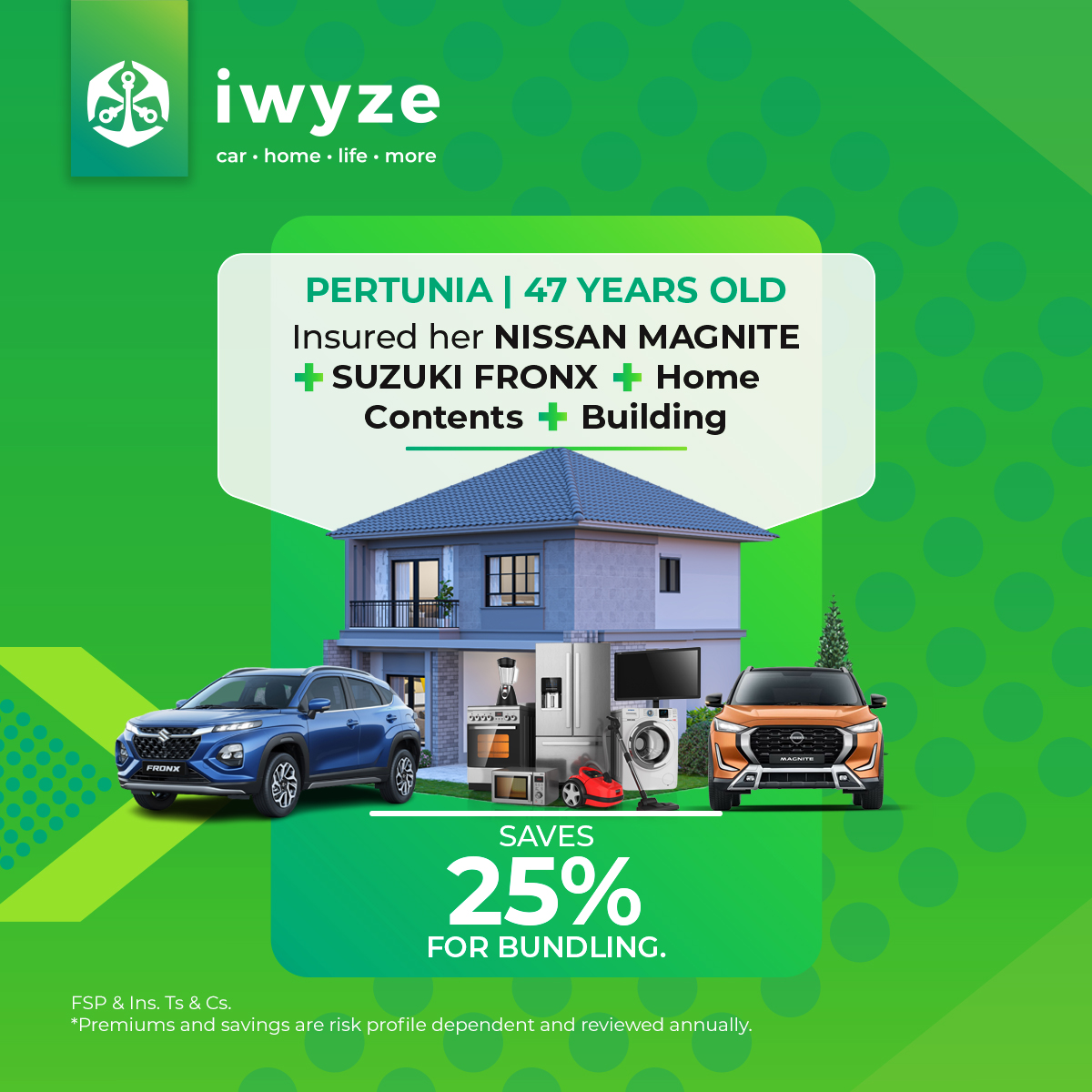
Average saving: 5% - 2 Cars, Buildings and Home Contents bundle:
Average premium: R1979
Average saving: 25%
Source: iWYZE data *Premiums and savings are examples only, based on iWYZE internal data and specific risk profiles. Actual premiums and savings will vary depending on individual risk profile, underwriting criteria and cover selected.
Are you really saving? This could be you…

How Bundling Relates to Insurance Value
Bundling does not change how individual policies are calculated, but it may influence:
- Overall premium structure
- Discount application
- Policy management
Each policy within a bundle is still:
- Underwritten individually
- Subject to its own terms and conditions
This means:
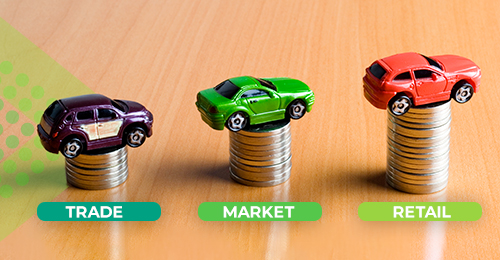
- Car insurance is still based on vehicle value (retail, market, trade or specified value)
- Home insurance is based on property replacement value
- Contents insurance is based on item value
Claims and Policy Management
Bundled policies may also affect how claims are handled.
In some cases:
- Claims across different policies can be managed through one provider
- Communication is centralised
- Policy details are easier to access
However, each claim is still assessed according to the terms of the relevant policy.
Why Bundling is Relevant in South Africa
Bundling reflects a broader trend toward:
- Simplified financial management
- Consolidated service providers
- Integrated insurance solutions
Get a Quote & buy in less than 2 minutes


Final Thoughts
Bundling insurance is a structured way of managing multiple policies under one provider. It brings together:
- Different types of cover
- Centralised management
- Potential cost efficiencies
While each policy remains subject to its own terms and conditions, bundling provides a way to organise insurance more efficiently within a single framework.